Books
Books that have shaped my career and life
Fiction
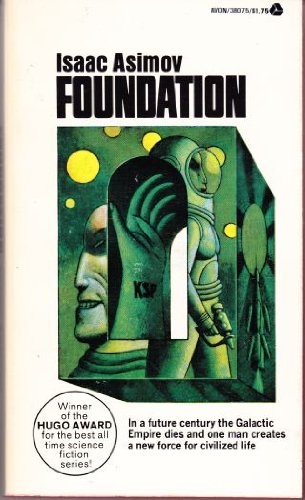
Foundation series
Asimov's sweeping saga of psychohistory, empire, and collapse. It starts with the original Foundation trilogy and keeps going through later novels. Mathematics as prophecy, politics as systems design, and the long game of civilization.
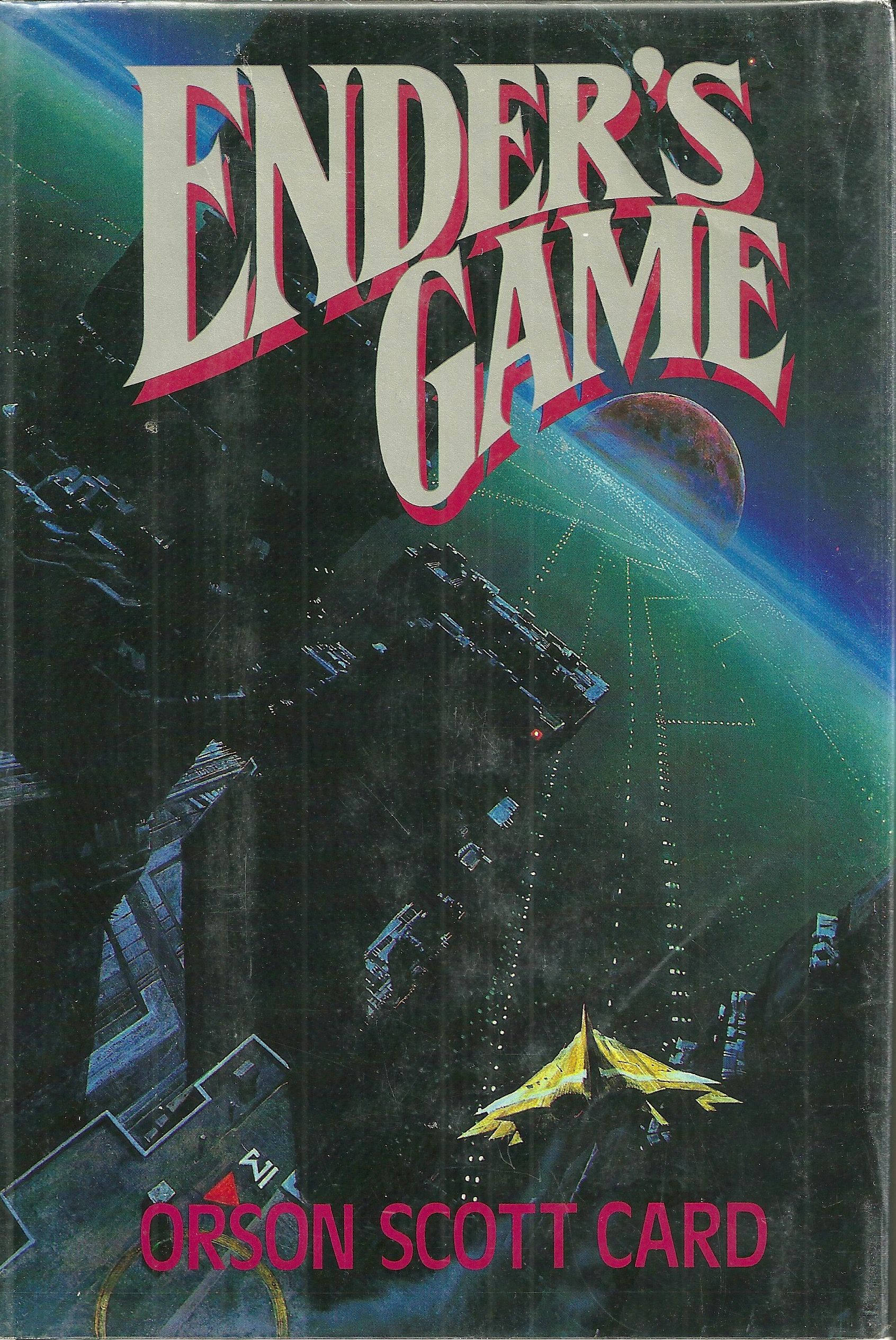
Ender's Saga
The Ender sequence from Ender's Game through Speaker for the Dead and beyond. Child prodigy, war simulation, and the moral weight of victory. Then first contact, empathy, and what it costs to understand the other side.
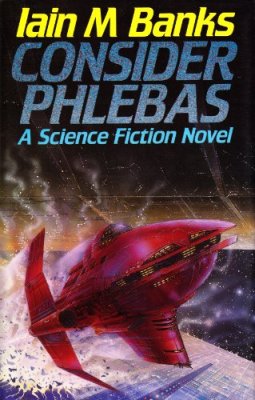
Culture series
Post-scarcity space opera about the Culture, a galaxy-spanning civilization of humans, aliens, and Minds. Big ideas about freedom, intervention, AI, and whether a utopia can stay itself when it meets the rest of the universe.
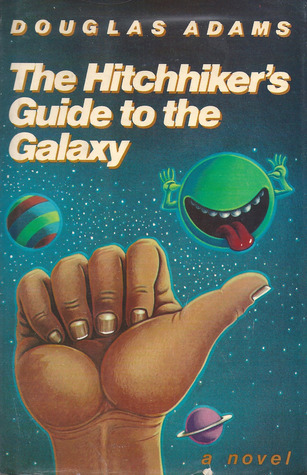
The Hitchhiker's Guide to the Galaxy series
Adams's comic science-fiction sequence, from the destruction of Earth through towels, improbability, and the search for the Ultimate Question. Absurdist satire of bureaucracy, technology, and meaning, delivered at light speed.
Why it matters to me
I grew up on this series. The Guide itself, a chatty companion that amplifies curiosity and then gets out of the way, is still how I want AI to behave. Funny, sharp, and endlessly rereadable.
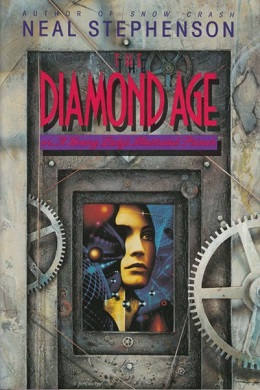
The Diamond Age: Or, a Young Lady's Illustrated Primer
A nanotech future where an interactive book, the Primer, raises a girl outside the world it was built for. Education, class, culture, and what happens when adaptive learning tools escape their intended audience.
Why it matters to me
Another book that formed my vision of what AI could do for humanity. The Primer teaches a child at her own pace, adapting as she grows. That still feels like the right model for learning technology, and it sits behind a lot of how I think about AI and education. The story around it is captivating too.
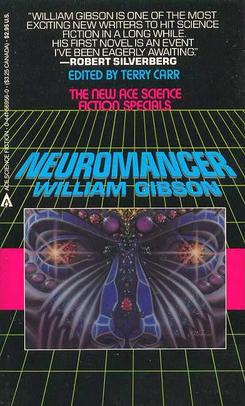
Neuromancer
The novel that defined cyberpunk. Console cowboys, megacorps, AI, and the sprawl. Case, Molly, and a heist that helped invent how we imagine cyberspace.
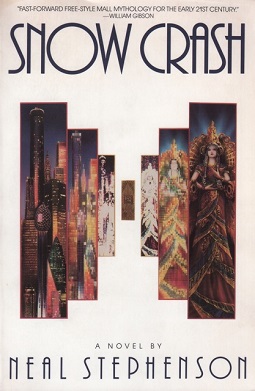
Snow Crash
Hiro Protagonist, the Metaverse, pizza delivery by the Mafia, and a linguistic virus that bridges ancient myth and modern code. Chaotic, funny, and weirdly prophetic about virtual worlds and information as power.
Why it matters to me
A perfect cyberpunk novel. Great adventure, Metaverse, and AI themes that still feel ahead of their time. The Librarian, Hiro's conversational research assistant, is one of the clearest pictures I have of AI as a tool that amplifies curiosity without taking over. I revisit this one often.
Nonfiction
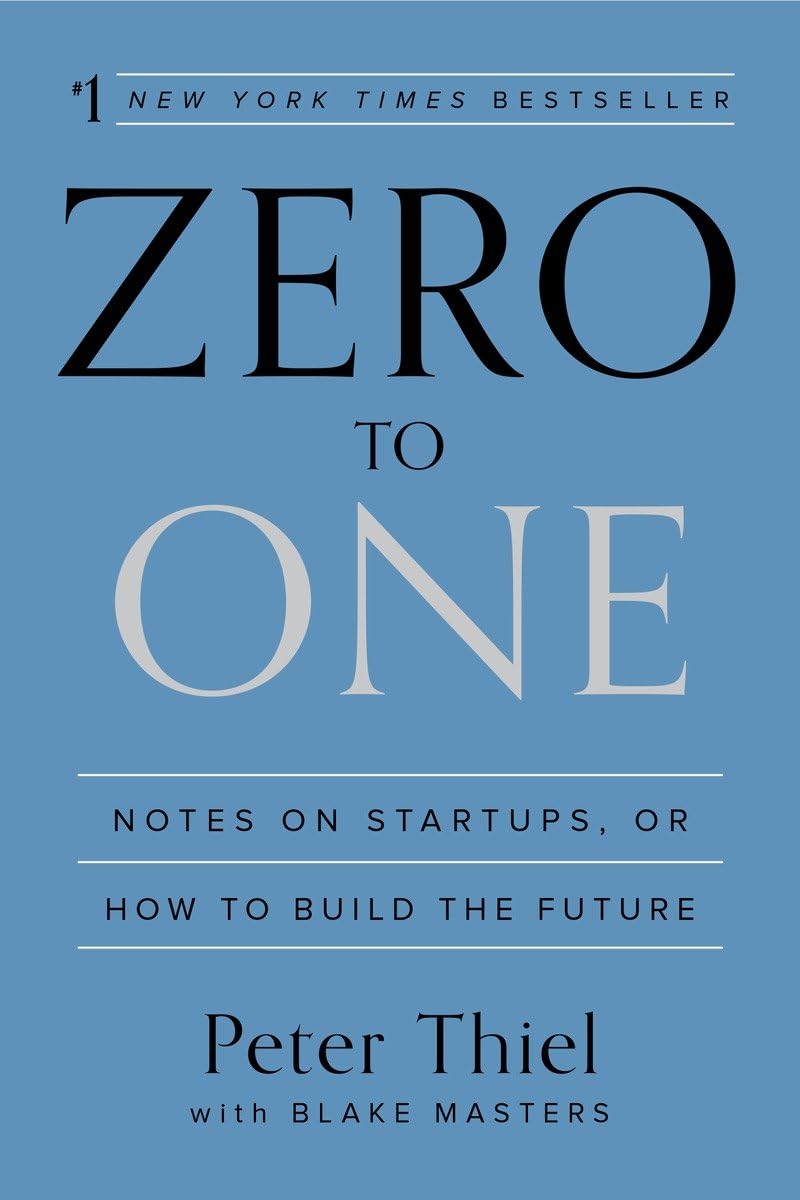
Zero to One: Notes on Startups, or How to Build the Future
Drawn from Thiel's Stanford course, with notes by Blake Masters. Startups should seek monopoly-like differentiation, not incremental competition. A first-principles take on building something new.
Why it matters to me
I read or listen to this book a couple of times a year. The perspective on building something genuinely new, not just competing, has always made sense to me. I started my career at an early-stage startup, and that lens still shapes how I think about product and technical bets.
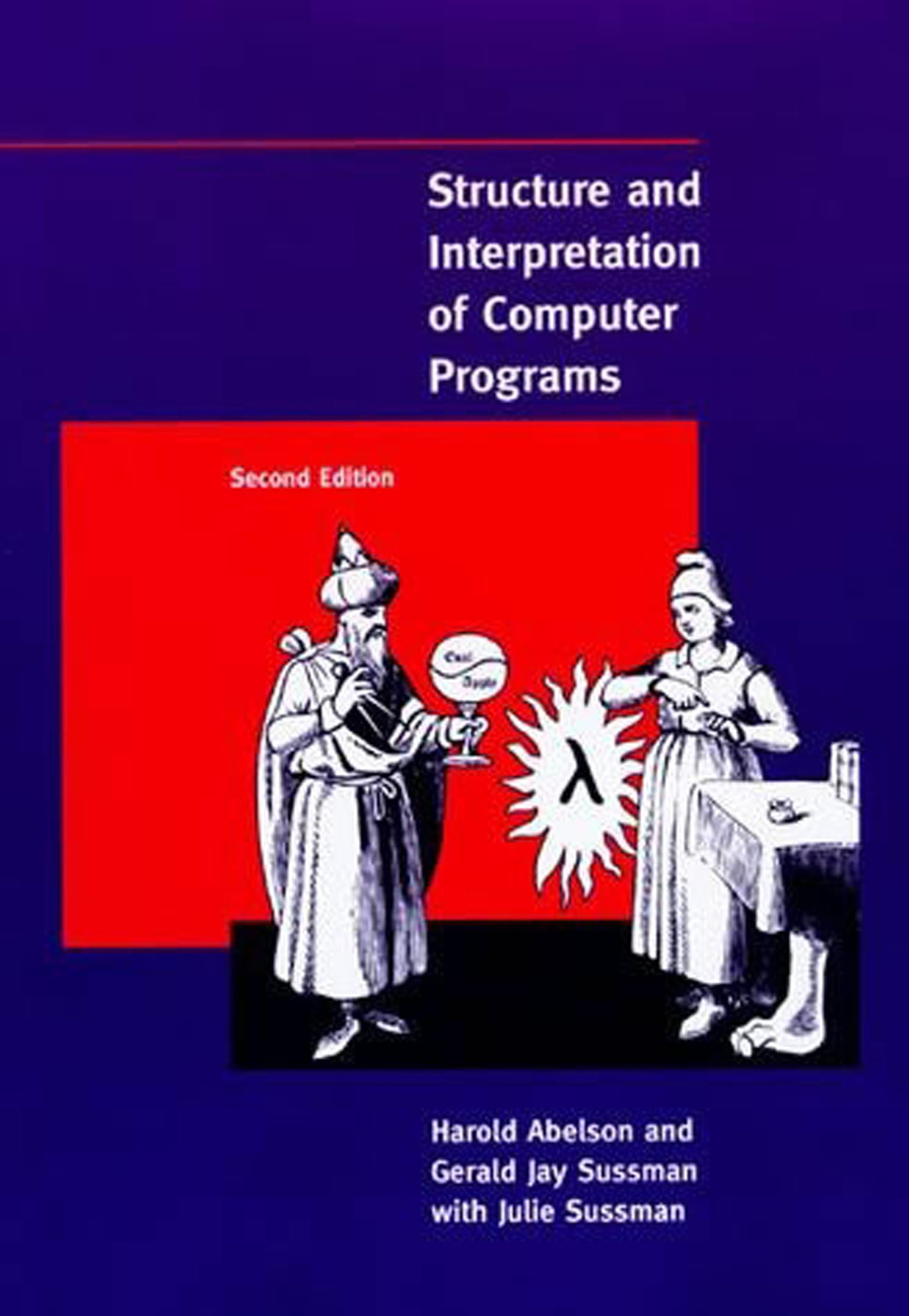
Structure and Interpretation of Computer Programs
The Wizard Book. MIT's classic introduction to programming as computational process. Abstraction, recursion, interpreters, and the mental models behind serious software, taught through Scheme.
Why it matters to me
I was introduced to this book through a friend-group book club. Years later, looking back on it helped me with Complect, my own compiler design project. Interpreters, abstraction, and building mental models of how programs run. A true classic.
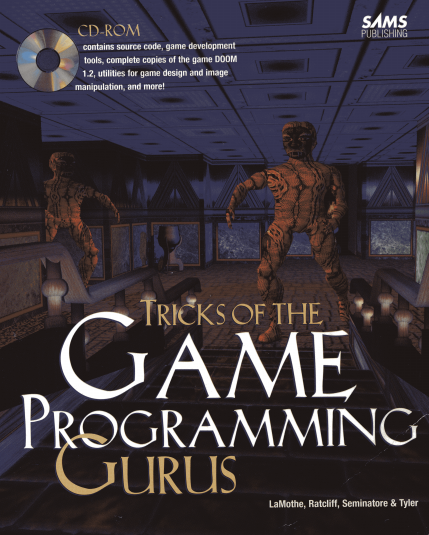
Tricks of the Game-Programming Gurus
A mid-90s deep dive into PC game programming in C and assembly. Graphics, sound, and Doom-era techniques. Practical wizardry from the shareware and early 3D era of PC games.
Why it matters to me
I picked up this book as a teen and it reignited my interest in game programming. Implementing the Doom-like raycasting engine with texture maps is still a great memory. Decades later I worked in the games industry, and that early hands-on tinkering is part of why.
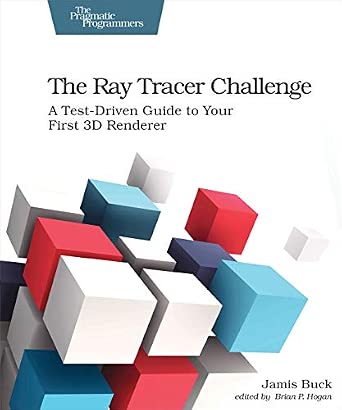
The Ray Tracer Challenge: A Test-Driven Guide to Your First 3D Renderer
Build a ray tracer from scratch, test by test, in whatever language you like. Vectors, spheres, lights, reflections, and the satisfaction of watching a scene render because every assertion passed.
Why it matters to me
Excellent style. The book gives you unit tests and discussion of the math, and you write the code to solve each chapter. I have gone through it in Node.js, Python, and C++ at different times. Same ideas, different languages, and each pass taught me something new about both rendering and the language I was using.
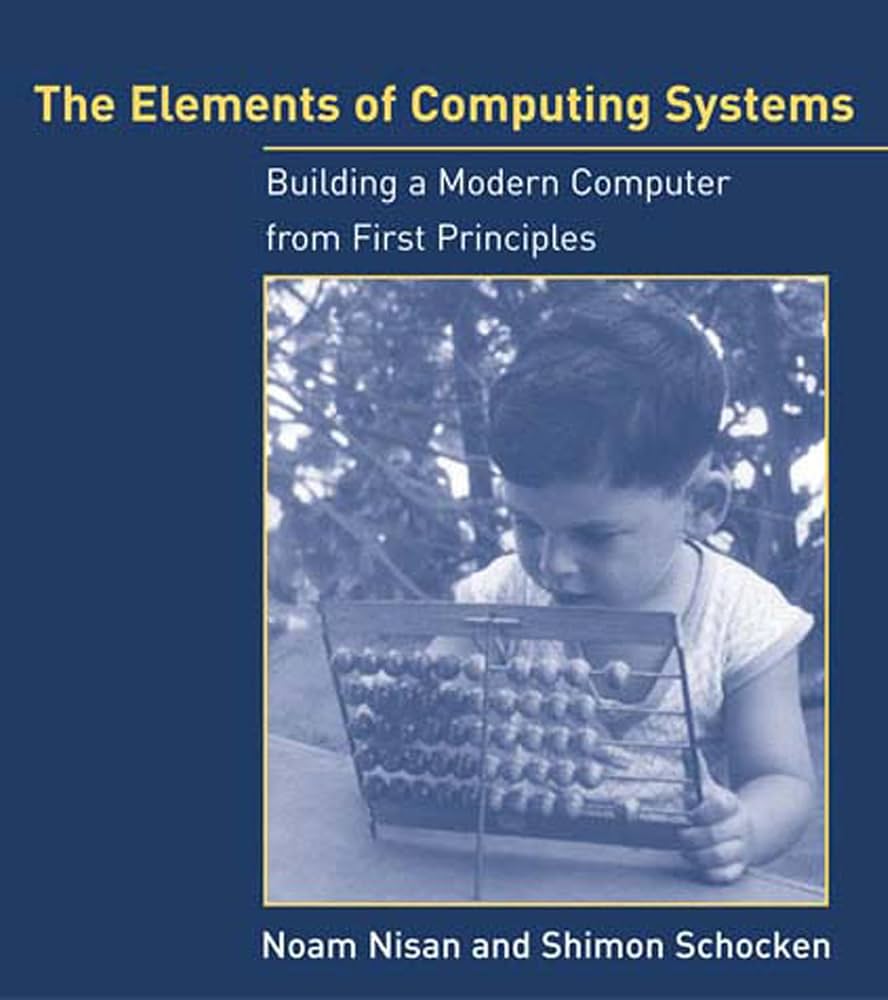
The Elements of Computing Systems: Building a Modern Computer from First Principles
Nand to Tetris. You construct a computer from logic gates up through assembler, VM, compiler, and OS. Twelve projects that make the hardware and software stack concrete instead of magical.
Why it matters to me
I love the progression, starting deep down at NAND gates and working up to a functional computer. That build-it-yourself path matches how I learn best. The style speaks to me. I also completed the related Coursera course.
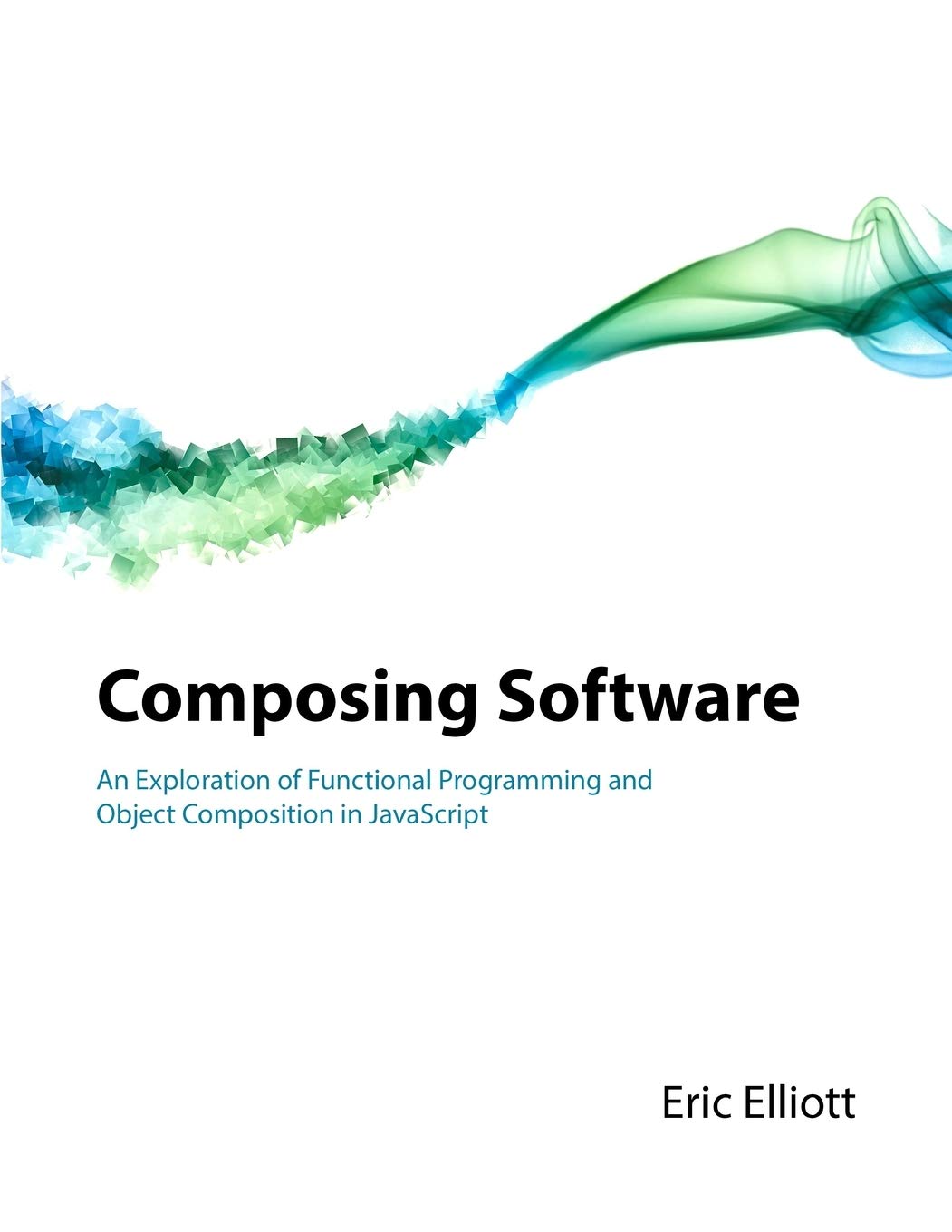
Composing Software: An Exploration of Functional Programming and Object Composition in JavaScript
Software design as composition, with functions and objects as building blocks. Functional programming ideas (closures, higher-order functions, functors, monads) taught in JavaScript, with lessons that travel to other languages.
Why it matters to me
This was one of the best and most digestible introductions to functional programming I have found. Well written, always enjoyable, and practical enough that the ideas stuck when I was writing real JavaScript day to day.
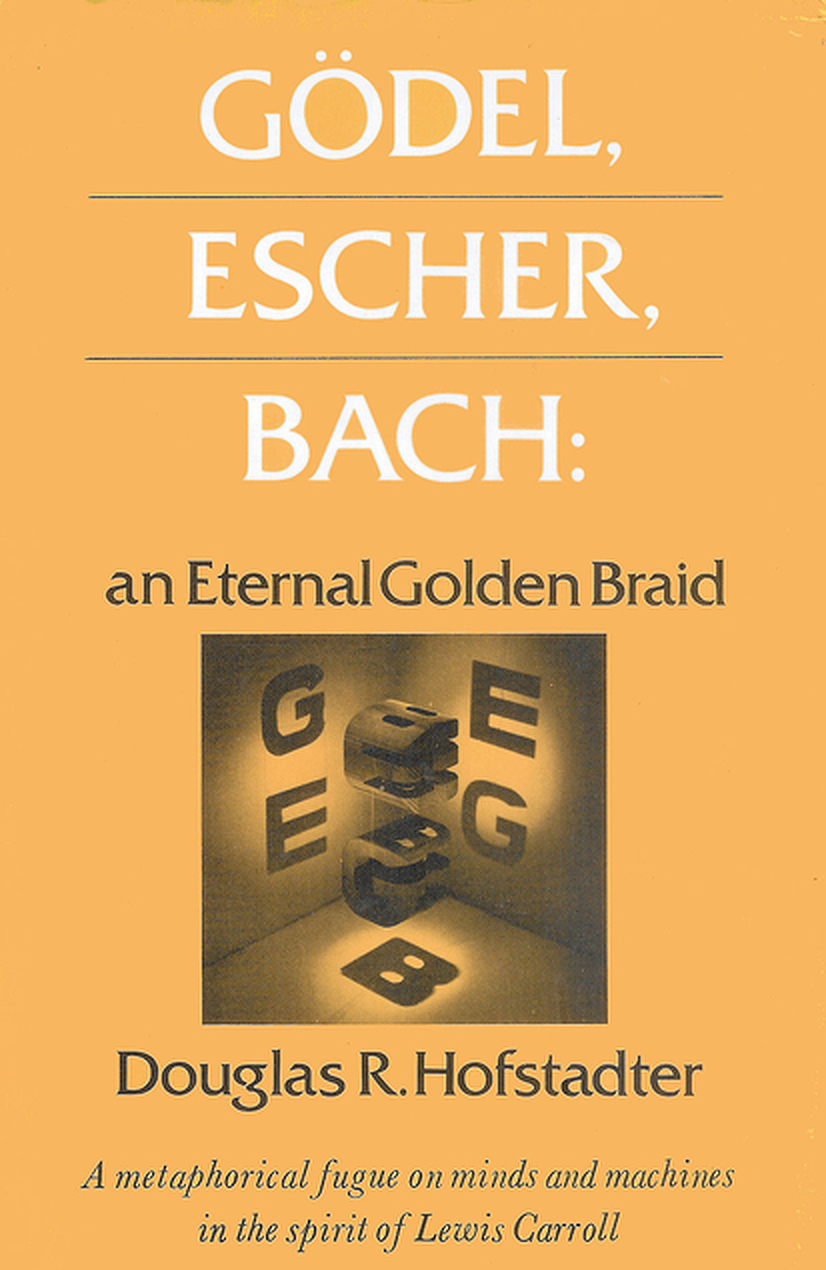
Gödel, Escher, Bach: An Eternal Golden Braid
A playful, deep exploration of formal systems, self-reference, and consciousness. It braids Gödel's incompleteness, Escher's visual paradoxes, and Bach's fugues into one long argument about minds and machines.
Why it matters to me
A must-read from a company I worked with. It took me years to get through even some of it. Self-reference, formal systems, and minds as strange loops. It is a wild adventure of a book, and a classic for me because of that company connection and history.
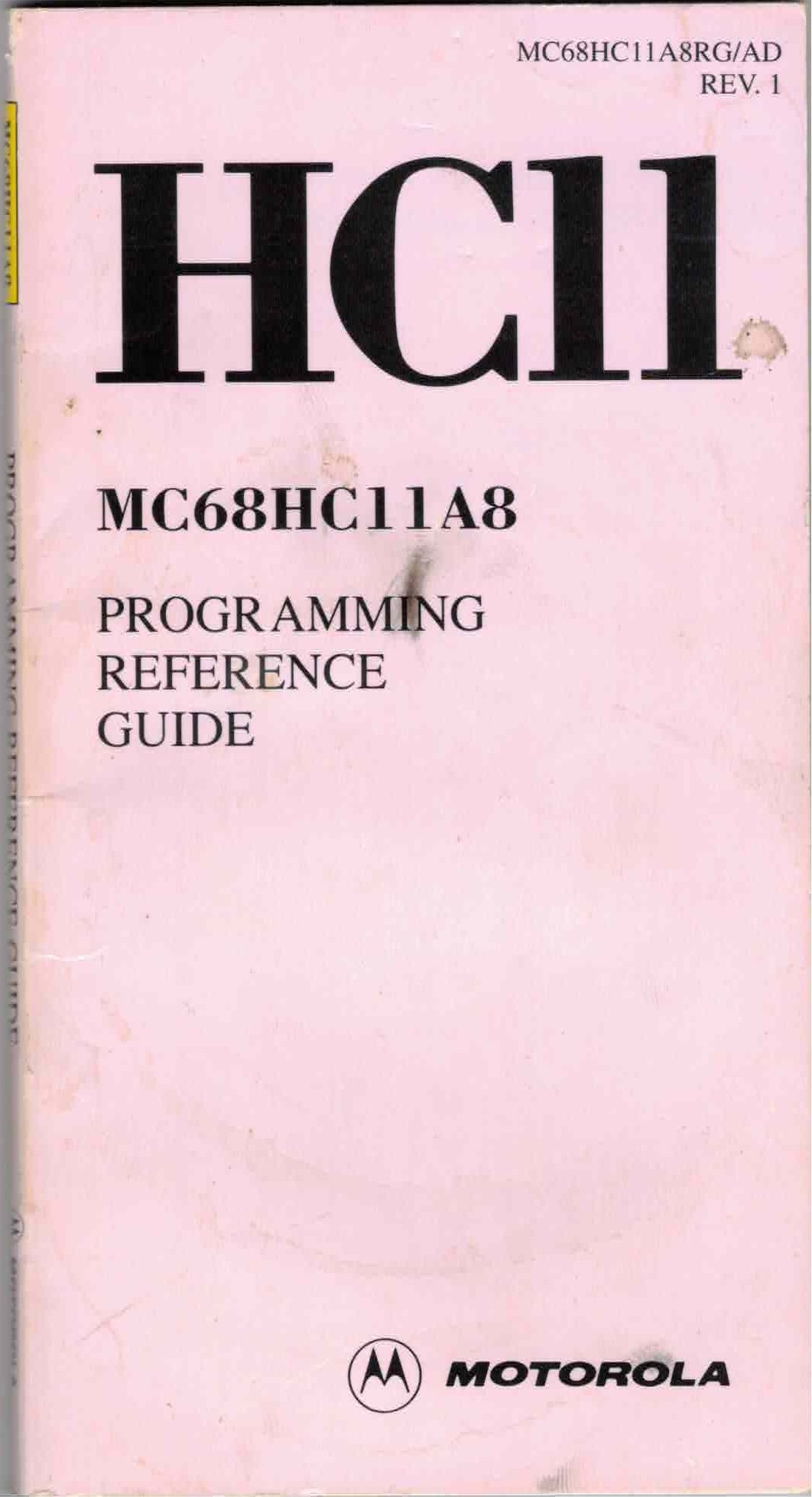
Motorola MC68HC11A8 Programming Reference Guide
A pocket-sized Motorola MC68HC11A8 Programming Reference Guide (Fourth Printing, 1990). Engineers of the era called it the HC11 Pink Book, after the neon cover that was easy to spot on a crowded bench.
Why it matters to me
One of my first microcontroller reference books. I learned the MC68HC11A8 from it in the early 1990s, with this neon pink booklet on the bench beside real hardware. I still have my copy. The cover here is a scan of that same original.
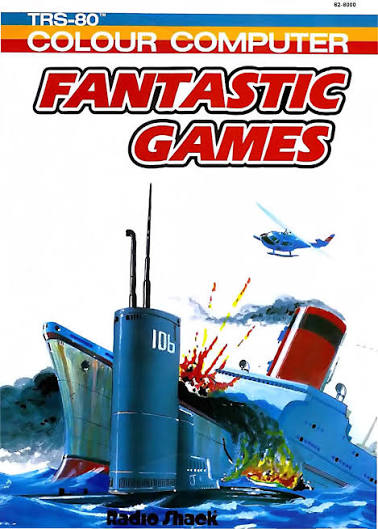
TRS-80 Colour Computer Fantastic Games
BASIC game listings you type in by hand and then play. Early arcade-style games, straight from the page.
Why it matters to me
In 1984, at six years old, I got my first computer, a TRS-80 Colour Computer II. I still have fond memories of typing in and playing the SpeedBoat game from this book.